Penis size means nothing
 Brian
Brian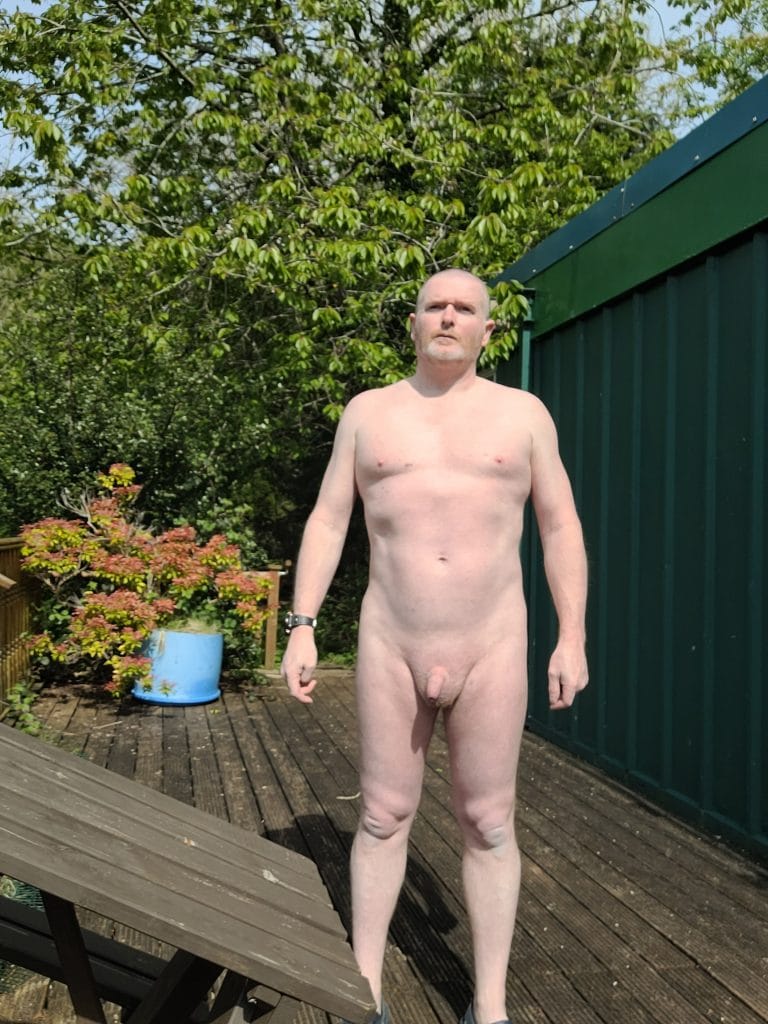
What studies show about size in the UK
Large clinical studies give a consistent picture of typical size ranges for British men. A major medical review analysing over 15,000 men worldwide found an average erect length of about 5.2 inches (13.24 cm) and an average erect girth of 4.59 inches (11.66 cm), and these figures apply broadly across regions, including the UK Moorgate Andrology. UK‑specific studies confirm this, showing an average erect length of around 5 inches and girth of around 4.5 inches Moorgate Andrology. International comparisons place the UK close to the global middle, with an average erect length of 14.30 cm (5.6 inches) World Population Review. England‑focused data aligns closely, reporting an average erect length of 5.16 inches (13.1 cm) and girth of 4.59 inches (11.66 cm) supremepenis.com.
Across all sources, the pattern is steady: British men sit comfortably within global norms.
🧠 Why size anxiety persists
Even with clear data, many men still worry about size. Research points to a few common drivers:
- Pornography creates unrealistic baselines by showcasing men with above‑average anatomy.
- Changing‑room comparisons can distort perception, especially when glimpses are brief and out of context.
- Partner expectations are often imagined rather than real; surveys show most women prioritise connection, communication, and comfort over size.
- Cultural myths continue to frame size as a measure of masculinity, despite no evidence linking size to sexual satisfaction.
These pressures shape how men feel about their bodies more than the numbers themselves.
🌿 How naturism reframes the conversation
Naturism offers a radically healthier lens on all of this. When you spend time in naturist spaces, you see—really see—how diverse bodies are. That diversity becomes normal, not something to hide or judge.
Naturism helps dissolve size anxiety in a few powerful ways:
- Normalisation through visibility — When you see hundreds of real bodies, you realise how wide the natural range truly is.
- Body acceptance over comparison — Naturism emphasises comfort, authenticity, and presence, not measurement.
- Desexualised nudity — In a naturist setting, a penis is just another body part, not a performance tool or status symbol.
- Community reassurance — Naturists tend to be open, supportive, and grounded, which helps dismantle shame.
For many men, naturism becomes the first environment where they feel genuinely at ease with their own anatomy.
❤️ What partners actually value
Studies across the UK show that most women care far more about emotional connection, communication, and mutual pleasure than about size. While some express mild preferences, very few consider size a decisive factor in satisfaction. Confidence, kindness, and attentiveness consistently rank higher than anatomy.
This aligns perfectly with naturist values: intimacy is about presence, trust, and shared experience—not centimetres.
🌱 A healthier, naturist‑aligned perspective
Understanding the data helps, but naturism goes further by shifting the entire frame:
- Bodies aren’t competitions.
- Variation is natural and expected.
- Comfort in your own skin is more attractive than any measurement.
- Shame dissolves when nudity is normalised.
For many naturists, the moment they stop worrying about size is the moment they start enjoying their bodies—and their relationships—more fully.
As you will see in the pics and videos in my gallery, my penis changes from tiny to erect. When erect, I am about 14.30 cm (5.6 inches), so I’m just an average UK size 😀 So when you see pictures of males with small or large penises, it’s just a matter of timing and will not always be that size.
Don’t worry about your size. It means nothing